
Abtin Aryanpour

Abtin Aryanpour

First-year Computer Engineering student at the University of Waterloo.

Looking for a co‑op, May to August 2027.

Abtin at a formal event in a suit and bow tie, pointing at the camera

About me

I’m Abtin. I’m in first-year Computer Engineering at the University of Waterloo, on the autonomy software team at the Waterloo Aerial Robotics Group.

More about me

Projects

Andon

Hears when a machine starts to sound wrong, after learning only from healthy recordings.

92.13%AUC on held-out test recordings, scored once (50% is a coin flip), against 79.70% for the challenge’s baseline.

In progress. A solo project. The software works, and on a Raspberry Pi Pico 2 it now hears a fault in a real fan and cuts the fan’s power by itself.

Played a faulty recording and a healthy one it has never heard, it picks the faulty one 92.13% of the time. Shrunk to 98.7 KB, it fits on a microcontroller.

Stop: fault detected
0.010.11100 s306090120Anomaly score, log scaleControl limitWarning limitFault startsRed 2.7 s later
A replay of one fan’s real scores, from the development test clips: two minutes of normal running, then a fault. This machine was picked to show how the light works.

Waterloo Aerial Robotics Group

Autonomy Software Member since September 2026. Two tasks for the team’s drones so far.

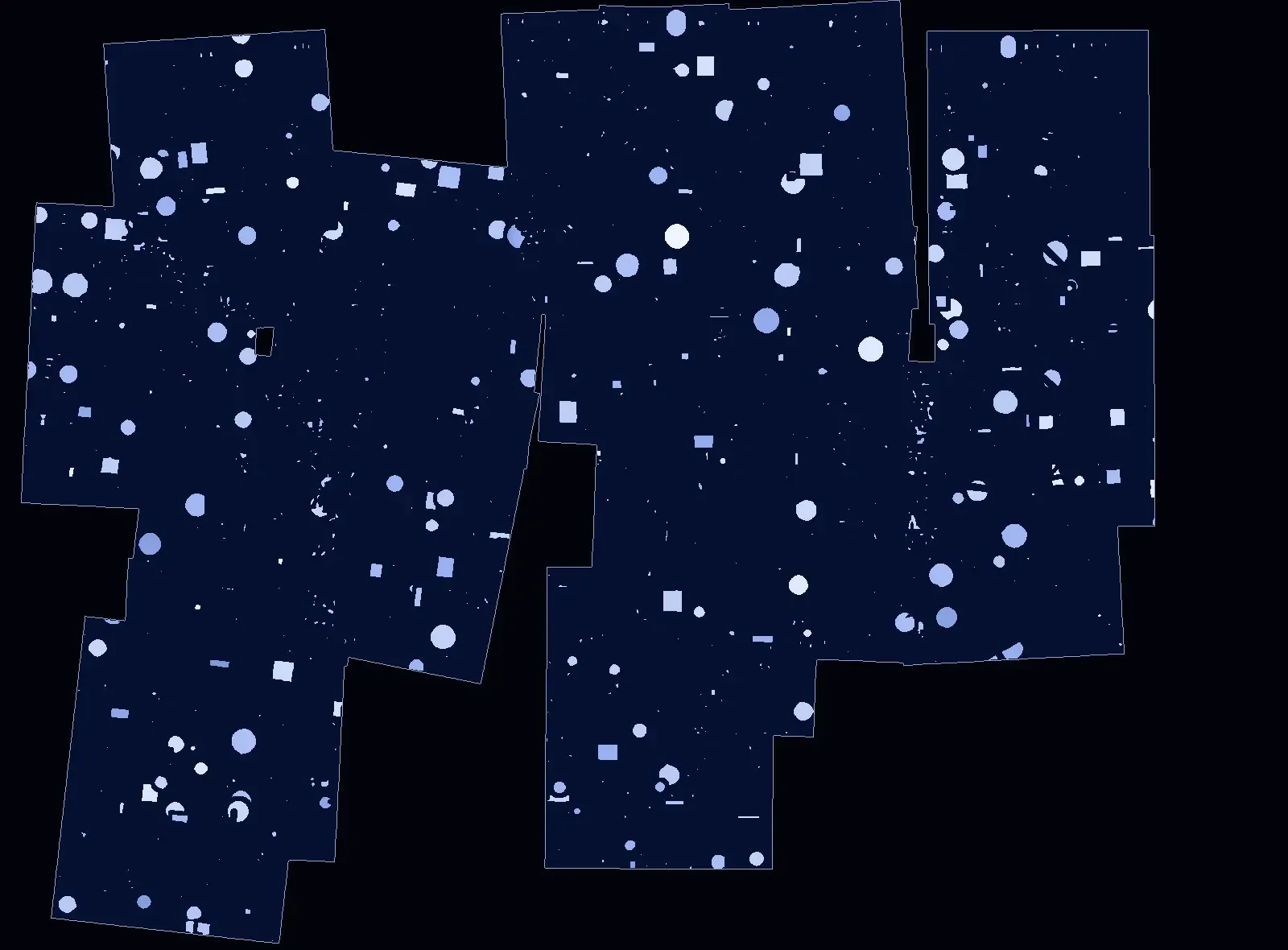
A map stitched from the first 20 of 91 simulated drone photos. Its stepped outline shows where the photos landed, with gaps where photos haven’t arrived yet.
One simulated mission, after 20 of its 91 photos. Only the painted ground markers are kept inside.

Image Stitcher

Merges out-of-order, GPS-tagged photos from several drones into one top-down map.

Merged Pull request #215 merged into the team’s main branch on November 18, 2026.

10 of 10simulated missions built one connected map, with photos lined up to 4.0–8.3 cm on average.

One simulated run: 10 drones spread out from a bunched start. Each shaded area is one drone’s cell.

Lloyd’s algorithm

Spreads a drone swarm evenly over any field with a GPS boundary.

In review Waiting for review on pull request #247.

0.46 → 0.06spacing unevenness in 90 of 90 simulated runs, where 0 is perfectly even.

High School Projects